 Knitting Guru
Advertisement
How to approach it
Look up the manual for the unit you own. Check how yarn enters the feeder and whether weights or accessories are required. Test a small tube before making a full hat.
Yarn compatibility, gauge, and setup checklist
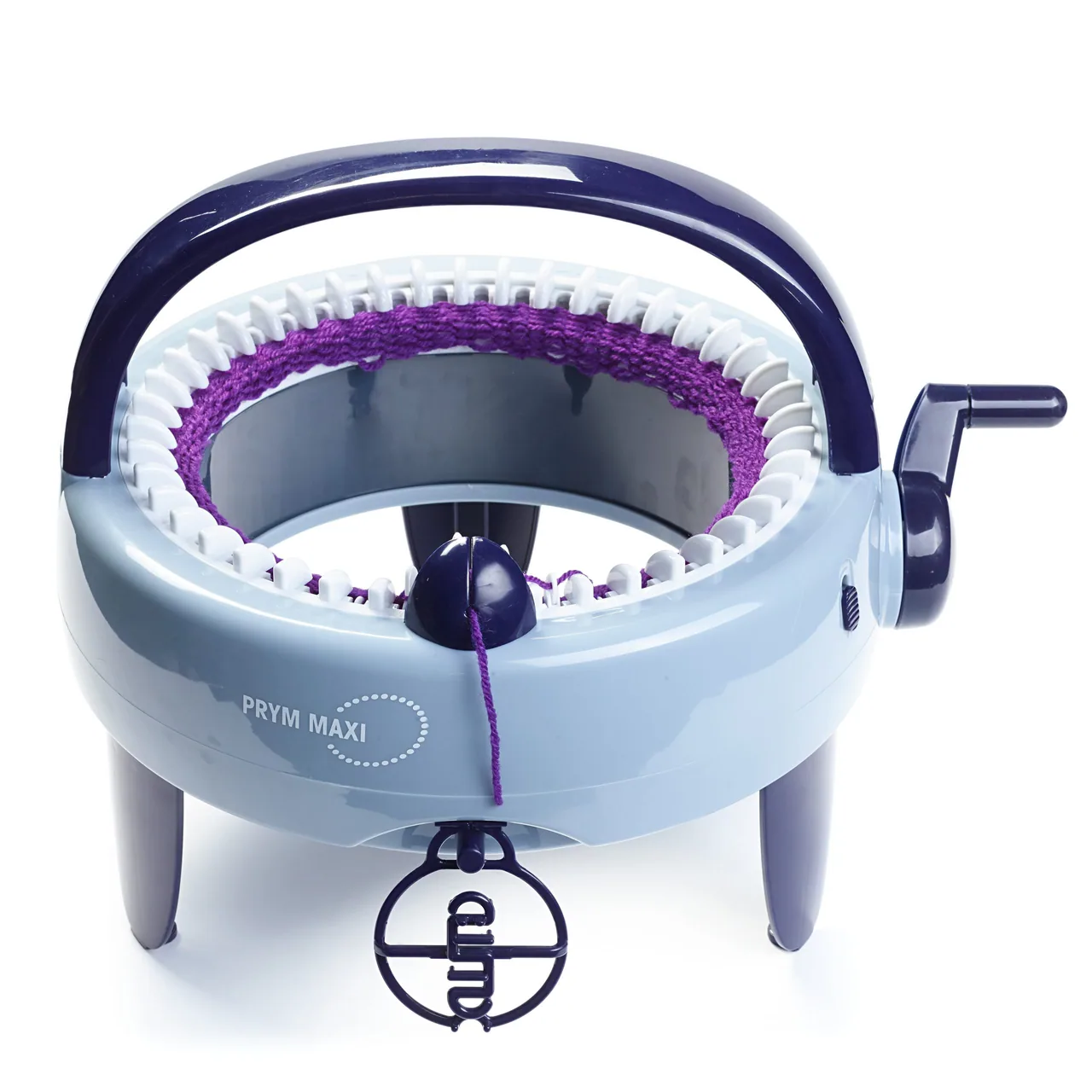
Working smoothly with Prym Knitting Mills starts with matching yarn weight and fiber elasticity to the needle spacing. Smooth acrylic, wool-blend, and soft worsted or DK yarns glide cleanly through tension guides without snagging, whereas splitty cotton, thick chenille, or heavily textured bouclé yarns frequently cause skipped stitches and jammed needles.
| Check point | Recommended baseline | Why it matters |
|---|---|---|
| Yarn weight | Light worsted (#4) or DK (#3) smooth plied yarn | Feeds evenly through hooks without forcing the crank or carriage. |
| Cast-on waste yarn | 6–8 rows of contrasting smooth waste yarn | Distributes downward weight evenly before your project yarn begins. |
| Row tracking | Reset counter after waste yarn and log every color change | Keeps matched panels, sleeves, and double-brim hats symmetrical. |
Before committing to a full garment or gift, knit a 30-row test tube or swatch and let the fabric relax off the needles for a few hours. Comparing that washed sample against How to Use the Embellish-Knit Cord Maker and Choosing a Home Knitting Machine helps you translate machine row counts into accurate finished measurements.
Advertisement
Preventing dropped stitches and finishing edges
Most frustrations on a knitting machine trace back to uneven yarn feed rather than a defective mechanism. Always pull yarn from a center-pull cake or loose ball rather than directly off a tight skein so resistance never spikes mid-row. Keep a steady, moderate pace—cranking or sliding too quickly lifts loops off the hooks before the latches close.
- Tucked or split stitches: Pause immediately when you hear a click or feel resistance, back up one needle, and seat the strand cleanly under the hook with a latch tool.
- Securing live loops: Thread a blunt tapestry needle with a long yarn tail and pick up every live stitch before removing waste yarn so edges never unravel.
- Expanding your projects: Once your tension is predictable, explore First Projects for a Beginner Knitting Machine and Sentro Knitting Machines for compatible patterns, accessories, and finishing techniques.
Advertisement
Quick maintenance and buying tips
Do I still need hand-knitting basics if I use a machine?
Yes—knowing how to pick up a dropped stitch with a crochet hook, graft seams, and weave in tails cleanly makes machine-knit fabric look polished and durable.
How should I maintain the machine between projects?
Brush lint out of the needle bed after every fuzzy project, store the machine covered away from dust, and inspect any tension springs or suction feet before starting large panels.
Related techniques and guides
Continue exploring this topic with these closely related guides:
Video tutorial
Watch the visual walkthrough below to see the hand movements, stitch rhythm, and finishing details in real time.
Have a correction or a question about this guide? Contact Knitting Guru.