 Knitting Guru
Advertisement
How to approach it
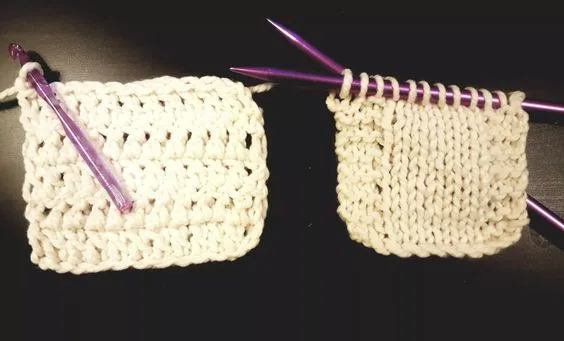
Use the same yarn for both samples but choose tools that give a pleasant fabric. Try a knitted rib for elasticity and a crochet swatch for structure. Measure each sample after washing.
Project images
Core materials and setup for Knitting vs. Crochet
Starting a new fiber or textile craft is much smoother when you focus on one forgiving material and a small practice piece before attempting an heirloom project. Choose smooth, medium-weight thread, cord, or yarn with crisp stitch definition so you can easily see tension changes, count repeats, and spot mistakes while they are still simple to undo.
- Workspace lighting: Good directional light reduces eye strain and makes subtle texture and loop structure immediately clear.
- Tension consistency: Keep your shoulders relaxed and let your hook, needle, or fingers guide the strand rather than pulling tightly on every loop.
- Cross-craft skills: Many fiber artists blend techniques across crafts—explore What Is Tapestry Art? and What Is Macramé? Three Knots to Start With to see how gauge, fiber care, and pattern reading carry over.
Advertisement
Common beginner pitfalls and how to build confidence
The most common hurdle in any handcraft is drifting edge counts or uneven tension between the start and end of a session. Place removable markers on the first and last stitch of each row, count periodically, and keep a small reference notebook of hook/needle sizes and materials that produced your favorite fabric feel.
Once you finish a small coaster, motif, or sampler, lightly steam or wet-block it to watch the stitches settle into place. Continue expanding your craft repertoire with What Is Rubber Stamping? A Beginner's Guide and What Is Tatting? A Beginner's Guide to Knotted Lace.
Advertisement
Frequently asked questions
How long does it take to learn the basics?
Most beginners feel comfortable with foundational motions after two or three short 20-minute practice sessions, especially when pairing written steps with a video demonstration.
Can I reuse knitting yarn for other fiber crafts?
Often yes—smooth worsted wool and cotton yarns transition easily between knitting, crochet, weaving, and punch-needle accents, though embroidery and tatting require tighter-twisted threads.
Related techniques and guides
Continue exploring this topic with these closely related guides:
Video tutorial
Watch the visual walkthrough below to see the hand movements, stitch rhythm, and finishing details in real time.
Have a correction or a question about this guide? Contact Knitting Guru.