 Knitting Guru
Advertisement
How to approach it
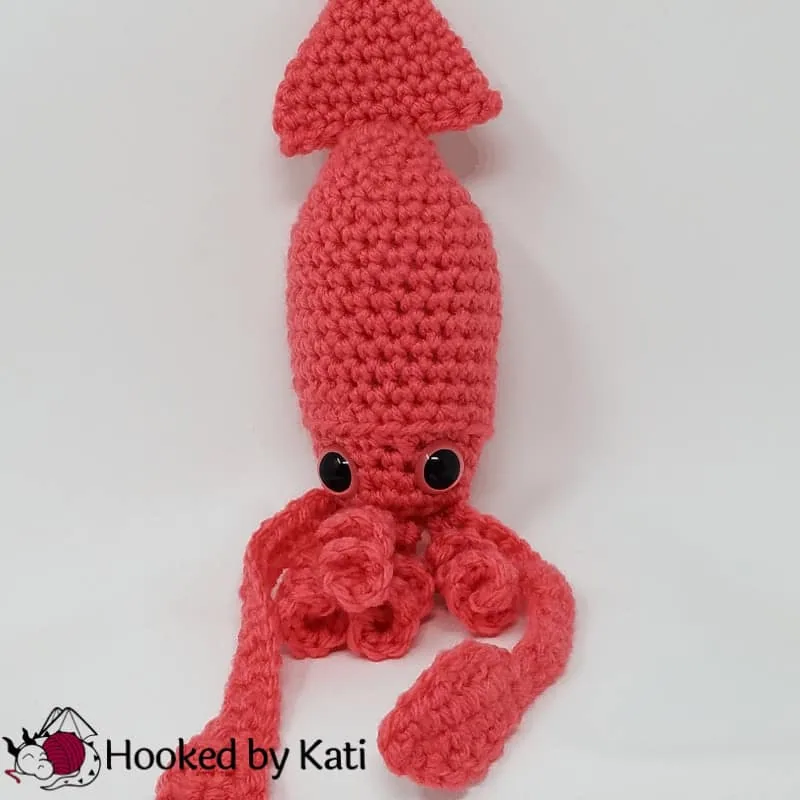
Try a short I-cord sample for the tentacles and vary lengths deliberately. Mark even attachment points around the base and test that the body stays balanced after stuffing.
Project images
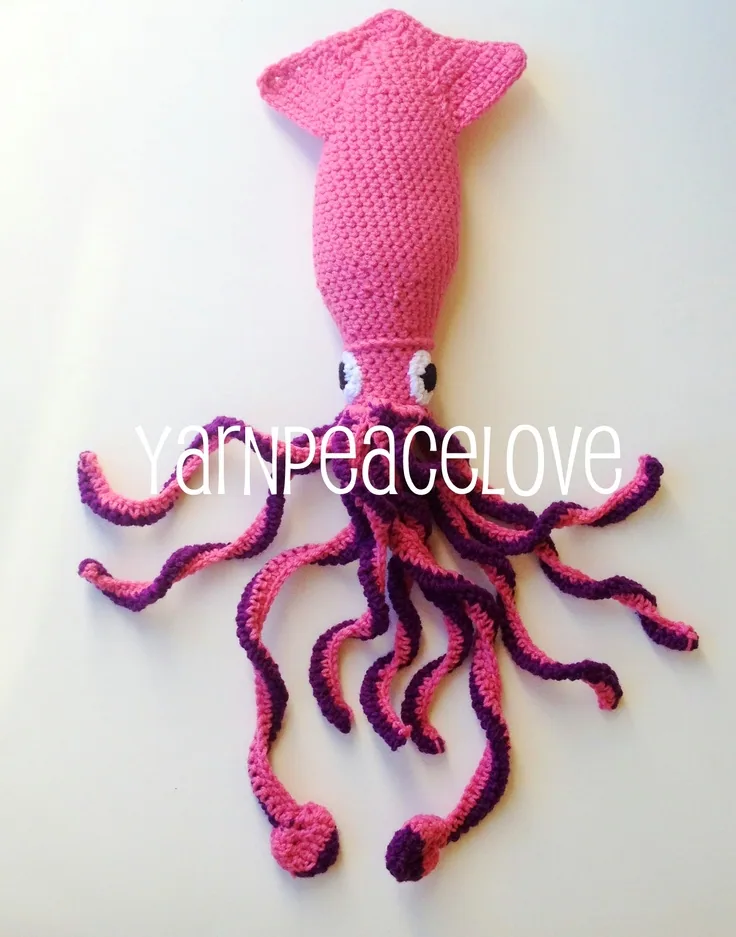
Step-by-step practice workflow for Knitted Squid Patterns
Mastering Knitted Squid Patterns is easiest on a small 20- to 24-stitch practice swatch worked in smooth, light-colored worsted yarn before using it in a full project. Good contrast lets you read each stitch leg clearly so you can immediately tell whether a loop is seated properly and whether your tension stays consistent across the row.
- Set a clean foundation: Cast on loosely enough that your needle tip enters the first row without forcing the yarn.
- Work at an even rhythm: Form each stitch on the full shaft of the needle—not just the narrow tip—so loop sizes stay uniform.
- Check your stitch count every two rows: Catching an accidental increase or dropped loop early takes seconds to fix compared to ripping back ten rows.
- Rest and inspect the fabric: Lay the swatch flat to see how the texture behaves; compare your results with Free Knitted Snowman Pattern Ideas and Free Knitting Patterns for Learning the Basics.
Advertisement
Common mistakes and how to fix them
Even experienced knitters occasionally split a ply, twist a stitch, or shift tension when learning a new motion. Keep a small crochet hook nearby so you can ladder down and correct a single misplaced stitch without unraveling the entire row.
- Too tight to insert the needle: Relax your grip on the working yarn and let the needle barrel—not your fingertips—set the stitch diameter.
- Uneven row tension: Watch the transition between knit and purl columns, giving the first purl stitch a gentle snug tug.
- Next skills to pair with this technique: Once this motion feels automatic, move on to Free Summer Top Knitting Patterns and Free Knitting Patterns by Project and Skill Level to apply it in complete projects.
Quick technique FAQ
Which yarn and needle size work best for practicing?
A smooth, plied worsted-weight (#4) wool or acrylic yarn with US 8 (5 mm) wood or bamboo needles gives the clearest stitch definition and comfortable grip.
Will blocking smooth out slight tension irregularities?
Yes—soaking and laying your finished piece flat allows wool and natural fibers to relax and equalize minor stitch-size differences remarkably well.
Advertisement
Related techniques and guides
Continue exploring this topic with these closely related guides:
Video tutorial
Watch the visual walkthrough below to see the hand movements, stitch rhythm, and finishing details in real time.
Have a correction or a question about this guide? Contact Knitting Guru.