 Knitting Guru
Advertisement
How to approach it
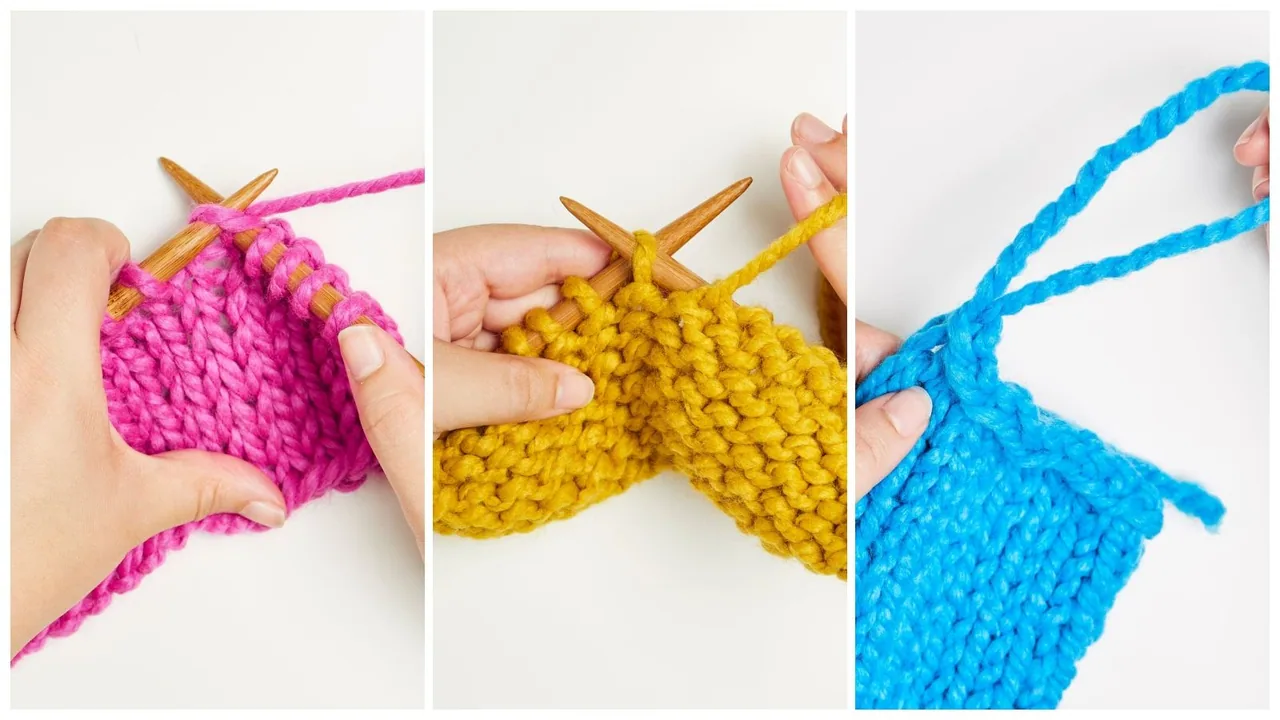
Hold the yarn behind the needles, insert the right tip through the front of the next stitch, wrap and pull a new loop through, then let the old loop slide off. Turn the work and repeat.
A five-minute drill
Cast on 12 stitches and work two rows slowly. After each stitch, check that exactly one old loop left the left needle and one new loop is on the right. Count all 12 stitches before you turn.
Project images
Advertisement
Step-by-step practice workflow for How to Knit for Beginners
Mastering How to Knit for Beginners is easiest on a small 20- to 24-stitch practice swatch worked in smooth, light-colored worsted yarn before using it in a full project. Good contrast lets you read each stitch leg clearly so you can immediately tell whether a loop is seated properly and whether your tension stays consistent across the row.
- Set a clean foundation: Cast on loosely enough that your needle tip enters the first row without forcing the yarn.
- Work at an even rhythm: Form each stitch on the full shaft of the needle—not just the narrow tip—so loop sizes stay uniform.
- Check your stitch count every two rows: Catching an accidental increase or dropped loop early takes seconds to fix compared to ripping back ten rows.
- Rest and inspect the fabric: Lay the swatch flat to see how the texture behaves; compare your results with How to Knit 1×1 and 2×2 Rib Stitch and How to Knit Moss Stitch.
Common mistakes and how to fix them
Even experienced knitters occasionally split a ply, twist a stitch, or shift tension when learning a new motion. Keep a small crochet hook nearby so you can ladder down and correct a single misplaced stitch without unraveling the entire row.
- Too tight to insert the needle: Relax your grip on the working yarn and let the needle barrel—not your fingertips—set the stitch diameter.
- Uneven row tension: Watch the transition between knit and purl columns, giving the first purl stitch a gentle snug tug.
- Next skills to pair with this technique: Once this motion feels automatic, move on to How to Purl for Beginners and How to Knit a Jumper with the Right Ease to apply it in complete projects.
Advertisement
Quick technique FAQ
Which yarn and needle size work best for practicing?
A smooth, plied worsted-weight (#4) wool or acrylic yarn with US 8 (5 mm) wood or bamboo needles gives the clearest stitch definition and comfortable grip.
Will blocking smooth out slight tension irregularities?
Yes—soaking and laying your finished piece flat allows wool and natural fibers to relax and equalize minor stitch-size differences remarkably well.
Related techniques and guides
Continue exploring this topic with these closely related guides:
Video tutorial
Watch the visual walkthrough below to see the hand movements, stitch rhythm, and finishing details in real time.
Have a correction or a question about this guide? Contact Knitting Guru.